

Environment Monitoring
Drones have emerged as powerful tools in environmental monitoring, enabling efficient data collection and analysis for various environmental applications. Their aerial capabilities and advanced sensors make them well-suited for assessing and monitoring environmental conditions. Here is how drones can be applied and prove beneficial in environmental monitoring.
Smarter Site Monitoring
Drone-led inspection and environmental observation
bring faster visibility to large project sites, helping
teams review structural activity, monitor surrounding
impact, and make timely decisions with clear aerial
insights.

Natural Resource Management
Drones equipped with high-resolution cameras and
multispectral or hyperspectral sensors can assist in
monitoring and managing natural resources. They can
be used to monitor forests, wetlands, or agricultural
areas, providing valuable data on vegetation health,
biodiversity, and land cover changes. Drones enable the
collection of high-resolution imagery and spectral data,
which can be analyzed to detect signs of deforestation,
habitat degradation, or invasive species. This
information supports informed decision-making for
resource conservation and sustainable land
management.
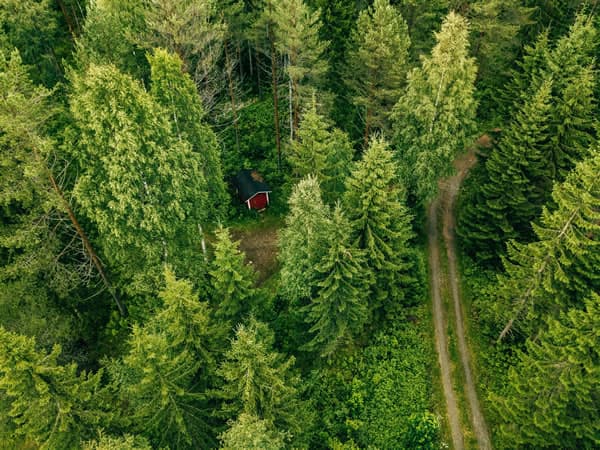
Pollution Detection and Monitoring
Drones equipped with specialized sensors can detect
and monitor various types of pollution, including air,
water, and soil pollution. For example, drones equipped
with gas sensors can measure air quality parameters
and identify sources of pollution in real time. They can
also be deployed to monitor water bodies, detect
pollution sources, or assess water quality parameters
such as turbidity or temperature. Drones can collect
samples and images from polluted areas, allowing
more accurate and timely environmental assessments.
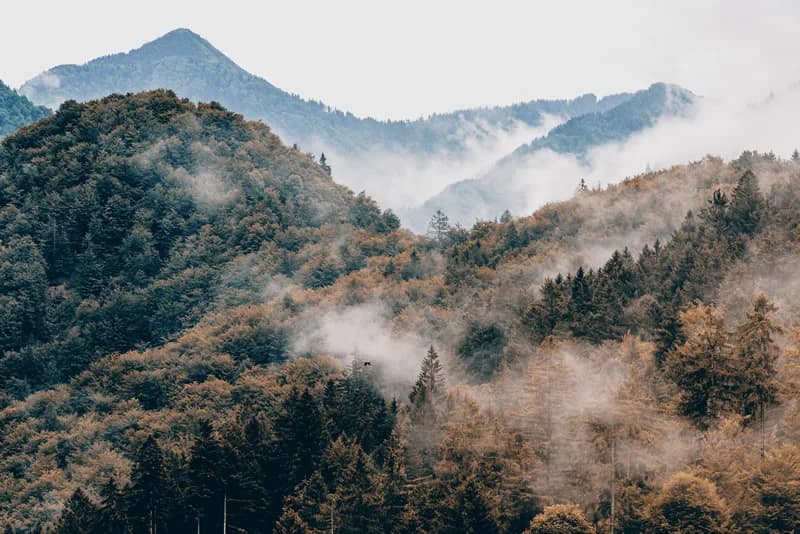
Wildlife Conservation
Drones offer valuable applications in wildlife
conservation efforts. They can be used for wildlife
population surveys, monitoring endangered species,
and tracking animal movements. Drones equipped with
thermal cameras or infrared sensors can detect wildlife
and their habitats even in dense vegetation or remote
areas. This helps in understanding wildlife behavior,
identifying conservation priorities, and protecting
vulnerable ecosystems. Drones can also aid anti-
poaching efforts by providing surveillance and real-time
monitoring of protected areas.
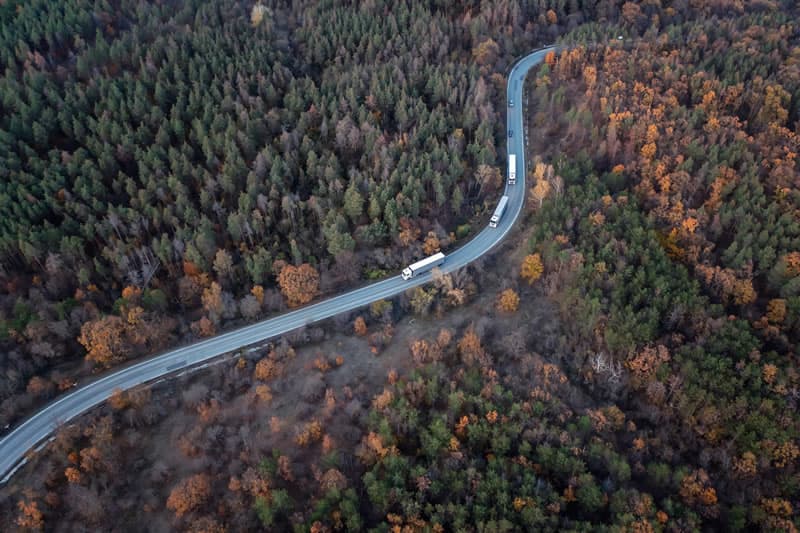
“In summary, drones provide significant benefits in environmental monitoring. They support efficient data collection and detailed assessment of natural resources, pollution levels, and wildlife conservation. By leveraging advanced sensors and aerial access, drones make environmental monitoring more effective and enable timely intervention and better environmental stewardship.”